1X Neo Robot Overview
The race to bring humanoid robots into our homes is heating up—and the 1X Neo Humanoid is right at the center of it.
1X Technologies has officially opened pre-orders for its humanoid robot, Neo, positioning it as one of the first serious attempts at a consumer-ready household robot.
But here’s the real question:
? Is Neo actually ready for your home—or is this still a work in progress?
Let’s break it down.
What Is the 1X Neo Robot?
Explore our full humanoid robot directory here -https://theroboticlife.com/humanoid-robots/
Founded in 2014, 1X Technologies originally focused on commercial robotics before pivoting toward the consumer humanoid market in 2022.
Neo is designed to assist with everyday household tasks like:
- Cleaning
- Folding laundry
- Basic home assistance
Unlike many competitors that start in factories, 1X is attempting to go straight into the home—a bold and risky strategy.
Design: Built for Your Living Room (Not a Factory)
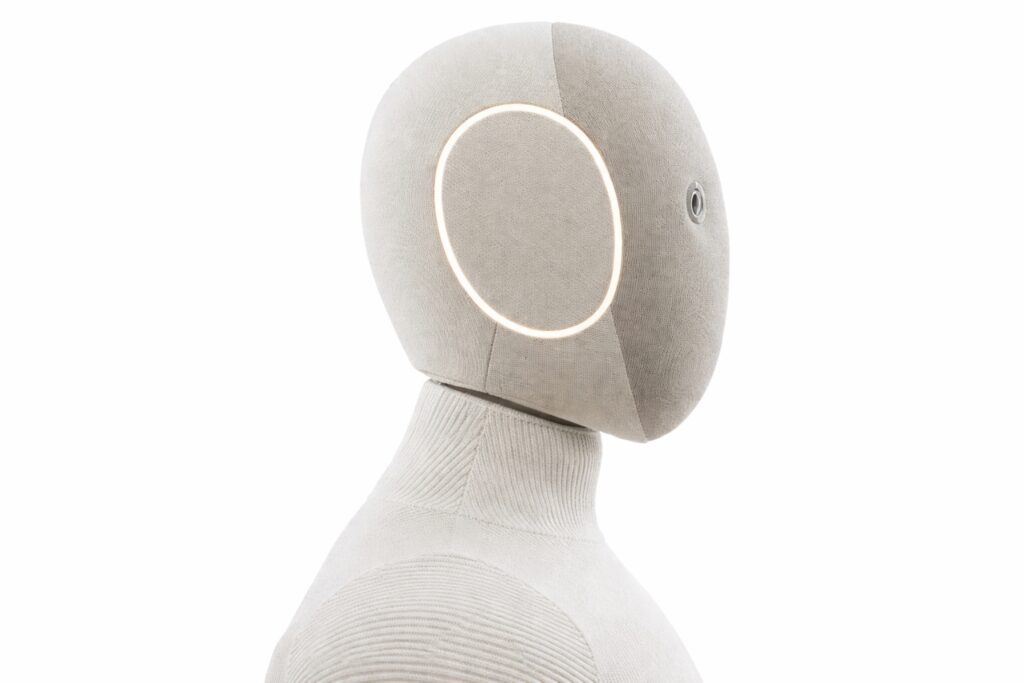
Neo doesn’t look like a machine—it’s intentionally designed to feel approachable.
Key design features:
- Soft fabric exterior (cashmere-like finish)
- Cushioned 3D lattice polymer body for safety
- Minimalist face with simple “button-style” eyes
This is clearly intentional. A robot in your home needs to feel friendly—not like something out of Terminator.
Price & Business Model ?
Here’s where things get interesting.
- $20,000 purchase price
- $499/month subscription option
- Expected release: 2026
That puts Neo in a strange category:
? Too expensive for most consumers
? Not yet capable enough to fully replace human labor
Which raises a key question: Who is this really for?
Here is information on the pricing model https://theroboticlife.com/robot/neo-by-1x-technologies/
The App Experience
Neo comes with a companion app that allows you to:
- Schedule tasks
- Monitor activity
- Check what the robot is doing in real time
Let’s be honest—if you had a humanoid robot walking around your house, you’d probably want to keep an eye on it too.
The Real Story: AI and Autonomy
This is where things get controversial.
1X uses its proprietary AI system called Redwood AI, designed as a generalist learning model.
In theory, Neo should:
- Learn tasks
- Improve over time
- Eventually operate independently
But right now?
? It’s not fully autonomous.
The Controversy ⚠️
Here’s what they don’t emphasize enough:
Neo may require human assistance to function properly—especially early on.
According to their own materials:
- A 1X operator may guide the robot
- Training can involve VR-controlled human input
- Early adopters are essentially helping train the system
That means:
? What looks autonomous… may actually be human-assisted behind the scenes.
This has raised eyebrows across the robotics community.
Funding Explosion ?
Despite the concerns, investors are all-in.
Funding timeline:
- $23M (March 2023)
- $100M (10 months later)
- Potential $1B raise (next round)
Even more interesting:
OpenAI was an early investor.
That connection raises a big possibility:
? Could future versions of Neo integrate advanced AI models similar to ChatGPT?
My Take (Lars’ Perspective)
Let’s call it what it is.
Neo is:
- Not fully autonomous
- Not fully polished
- Not truly consumer-ready
But…
? It is one of the first serious attempts to bring humanoid robots into the home.
And that matters.
This feels less like a finished product—and more like:
“Be part of the future… and help us build it.”
Is It Worth $20,000?
Right now?
Probably not for the average household.
But for:
- Early adopters
- Tech enthusiasts
- Robotics investors
? This could be a front-row seat to one of the biggest technological shifts of our time.
Final Thoughts
We are watching the very beginning of the humanoid robot era.
Neo isn’t perfect. It’s not even close. Not every humanoid debut goes smoothly—just look at the recent AIDOL robot launch, where things didn’t exactly go as planned.
https://theroboticlife.com/aidol-robot-russia/
But it represents something bigger:
? The transition from robots in factories… to robots in our homes.Call to Action
What do you think?
Would you spend $20,000 on a humanoid robot like Neo?
Let me know in the comments—and if you’re following the future of robotics, make sure to stay connected with The Robotic Life.