AIDOL is Russia’s first AI-powered humanoid robot, developed by Moscow-based company Idol with a 14-engineer team led by CEO Vladimir Vitukhin. AIDOL face-planted during its public debut at the Yarovit Hall Congress Center in Moscow on November 11, 2025.
The company attributed the fall to calibration and lighting issues. AIDOL specifications include a 48-volt battery, 10 kg payload, 6 km/h top speed, and 12 facial expressions. The robot uses 77 percent domestically sourced Russian components. The listed price is $60,000. On April 16, 2026, Russian outlet TAdviser reported that Idol had signed a humanoid robot supply contract with Japan. The contract has not been independently confirmed by Western press.
Lars Talbert breaks down the AIDOL face-plant, Russia’s robotics ambitions, and the 7-month follow-up in the video below.

What Is AIDOL?
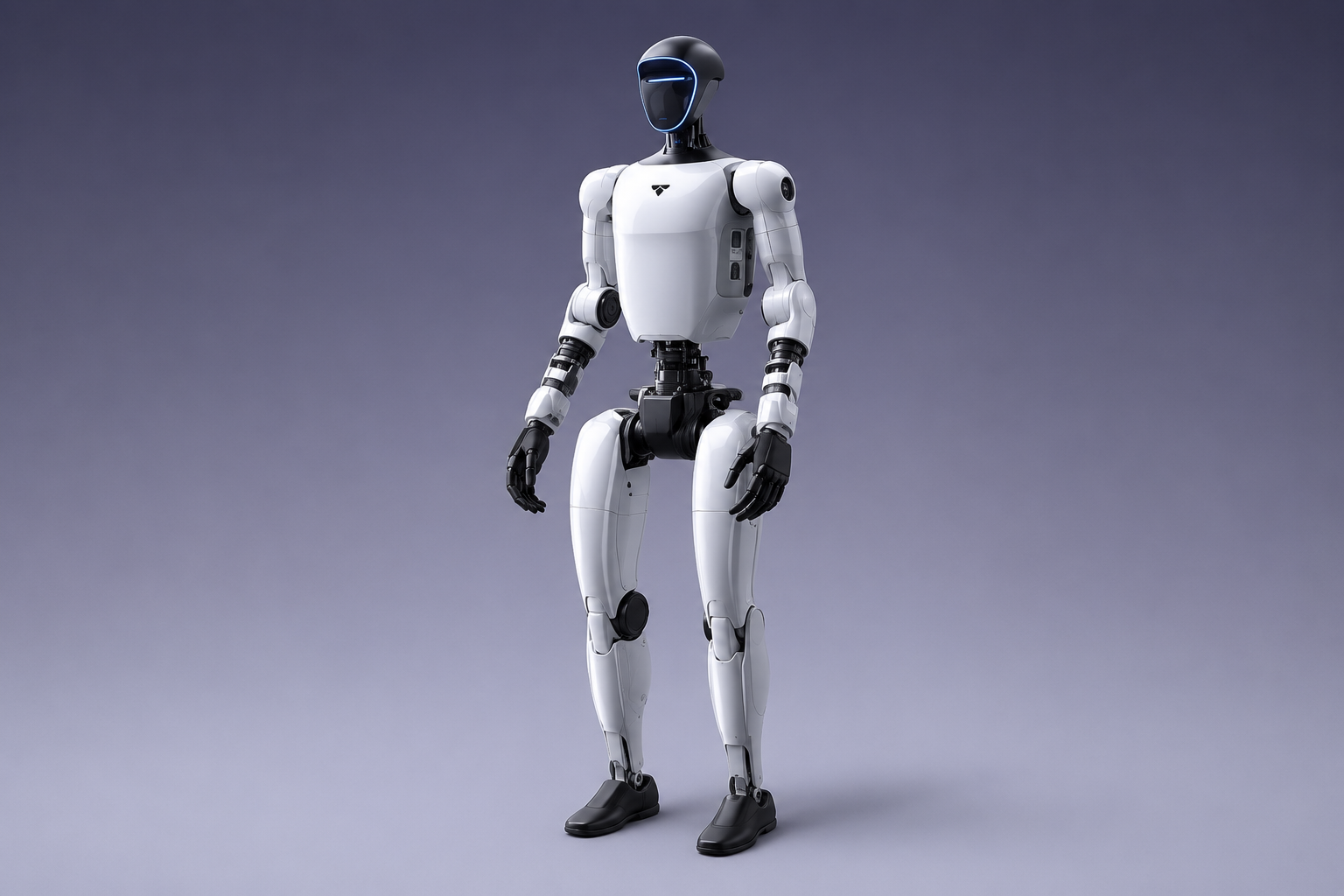
AIDOL is Russia’s first AI-powered humanoid robot, developed by Moscow-based company Idol with a 14-engineer team led by CEO Vladimir Vitukhin.
The robot is designed to walk on two legs, manipulate objects, and interact with people through 12 designed facial expressions.
The Idol team operates as a privately funded independent project with no outside investors, per The New York Times. AIDOL sits within the broader humanoid robot directory at The Robotic Life.
AIDOL Specifications
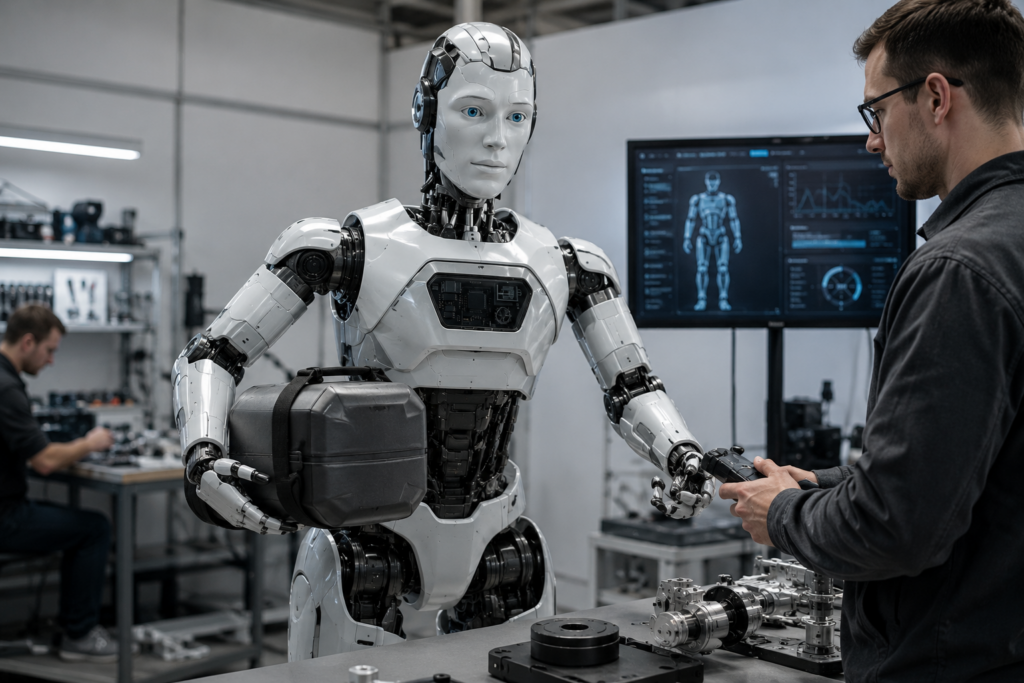
AIDOL runs on a 48-volt battery with up to six hours of operation. The robot carries a 10 kg payload at 6 km/h, with 12 designed facial expressions. The system uses 77 percent domestically sourced Russian components, with developers targeting 93 percent in future iterations.
| Specification | Detail |
| Battery | 48-volt |
| Runtime | Up to 6 hours |
| Payload | 10 kg (22 lbs) |
| Top speed | 6 km/h |
| Facial expressions | 12 designed |
| Domestic components | 77 percent (target 93 percent) |
| Listed price | $60,000 |
| Manufacturer | Idol, Moscow, Russia |
Source: The New York Times, NY Post, humanoid.Guide, Google AI Overview synthesis.
The Moscow Face-Plant on November 11, 2025
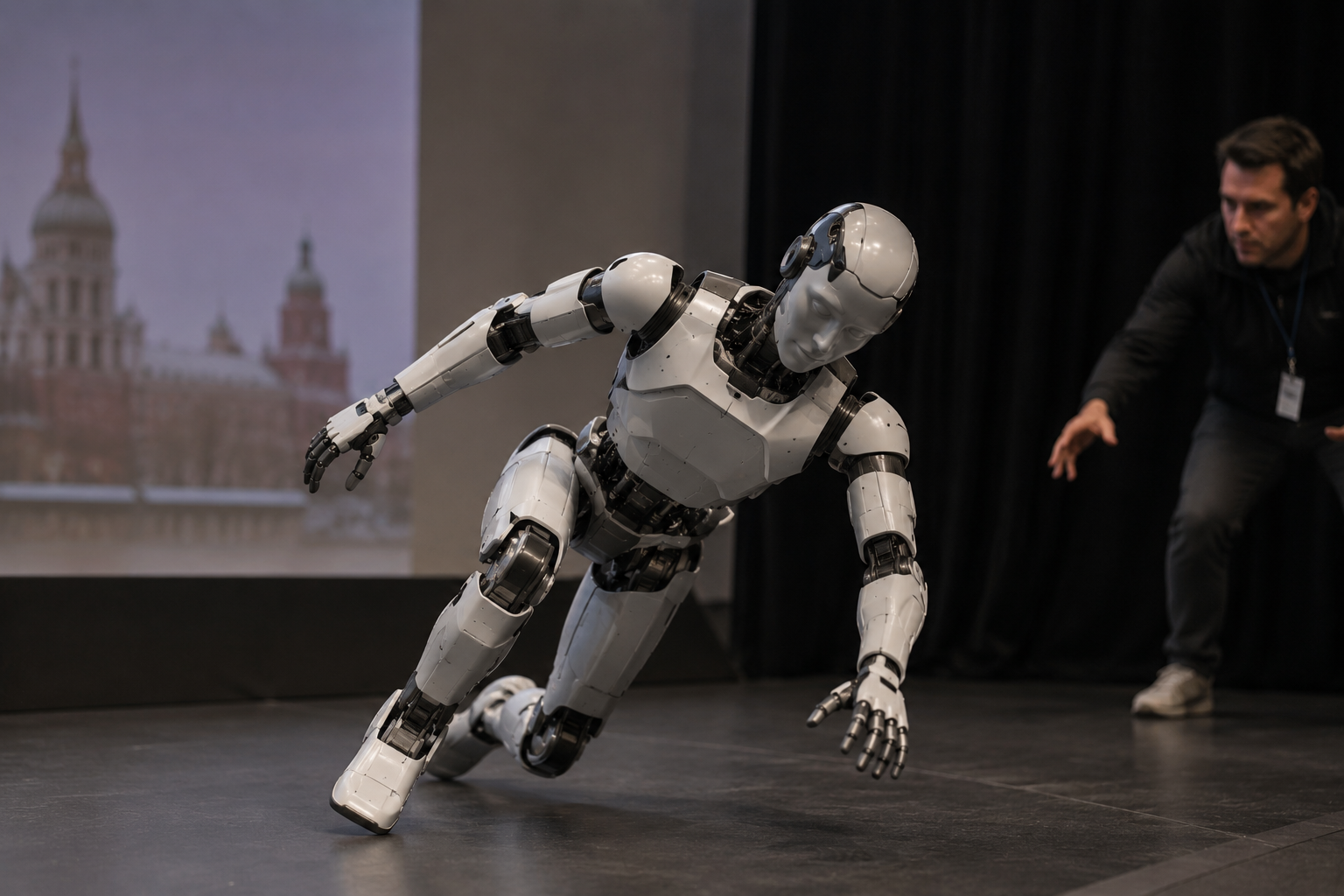
AIDOL face-planted during its public debut at the Yarovit Hall Congress Center in Moscow on November 11, 2025.
Approximately 50 journalists witnessed the robot stagger forward, attempt a wave, and fall hard onto the stage floor within seconds of entrance.
The event was organized by New Technology Coalition, per Fox Business. AIDOL entered to the “Gonna Fly Now” theme song from Rocky. The robot raised an arm in greeting, took a few unsteady steps, and fell face-first.
Several body parts shattered from the frame on impact, per NY Post. Two handlers rushed onstage while a third pulled a black curtain across the platform. The curtain became tangled, and the crowd could still see AIDOL being dragged backstage.
What the CEO Said
Vladimir Vitukhin, CEO of Idol, attributed the fall to calibration errors in the robot’s balance and motion control algorithms, combined with stage lighting issues.
The team treated the incident as a learning event.
Vitukhin told Russian state news agencies, per Mashable: “I hope that this mistake will turn into an experience. This is real-time learning, when a good mistake turns into knowledge, and a bad mistake turns into experience.” Idol later said the team was “puzzled by the surprise around this situation in the media,” per The New York Times.
The April 2026 Japan Supply Contract
On April 16, 2026, Russian outlet TAdviser reported that Idol had signed a contract to supply humanoid robot assistants to Japan. The announcement came five months after the Moscow face-plant.
The contract has not been independently confirmed by Reuters, the BBC, or The New York Times. Specific contract terms, deployment volume, and timeline have not been disclosed publicly.
Between November 2025 and April 2026, AIDOL was removed from public displays for further testing, calibration, and software improvements. The Japan contract fits within the broader context of the global race to build autonomous robots.
Why the Verification Gap Matters
TAdviser is a Russian outlet with incentives aligned with Russian companies announcing international contracts. Independent confirmation from a Japanese government source, a Japanese trade outlet, or a Western press wire would establish the contract beyond announcement status.
A five-month recovery from public failure to an international supply contract is short for humanoid robotics cycles. Figure 02 took an 11-month pilot at BMW Group Plant Spartanburg before scaling. The pressure test on the AIDOL Japan contract sits in independent Japanese-source confirmation and actual unit shipments.
Russia’s Humanoid Robotics Position
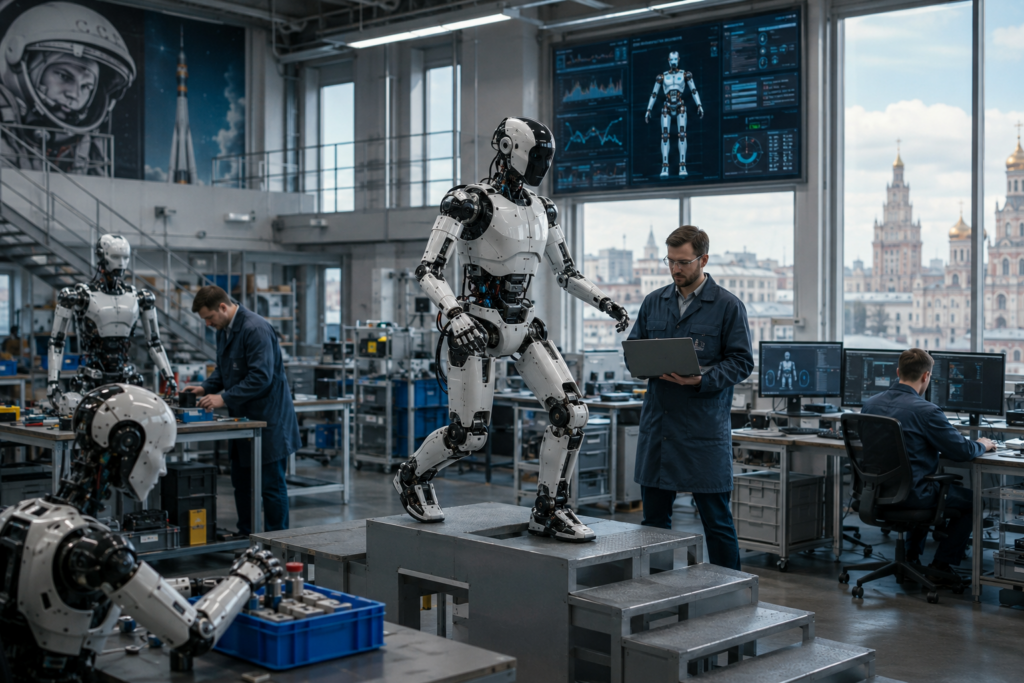
Russia’s robotics market attracted $1.6 billion in investments in 2024, with AIDOL positioned as the country’s first AI-powered humanoid entry.
The Russian humanoid landscape sits well behind the United States and China, but has historical precedent.
Russia’s previous notable humanoid was FEDOR, also called Skybot F-850, built by Android Technics and the Foundation for Advanced Studies. FEDOR was sent to the International Space Station in 2019. AIDOL represents the first AI-powered humanoid attempt from Russia. The robot sits within the broader autonomous robot companies landscape at The Robotic Life.
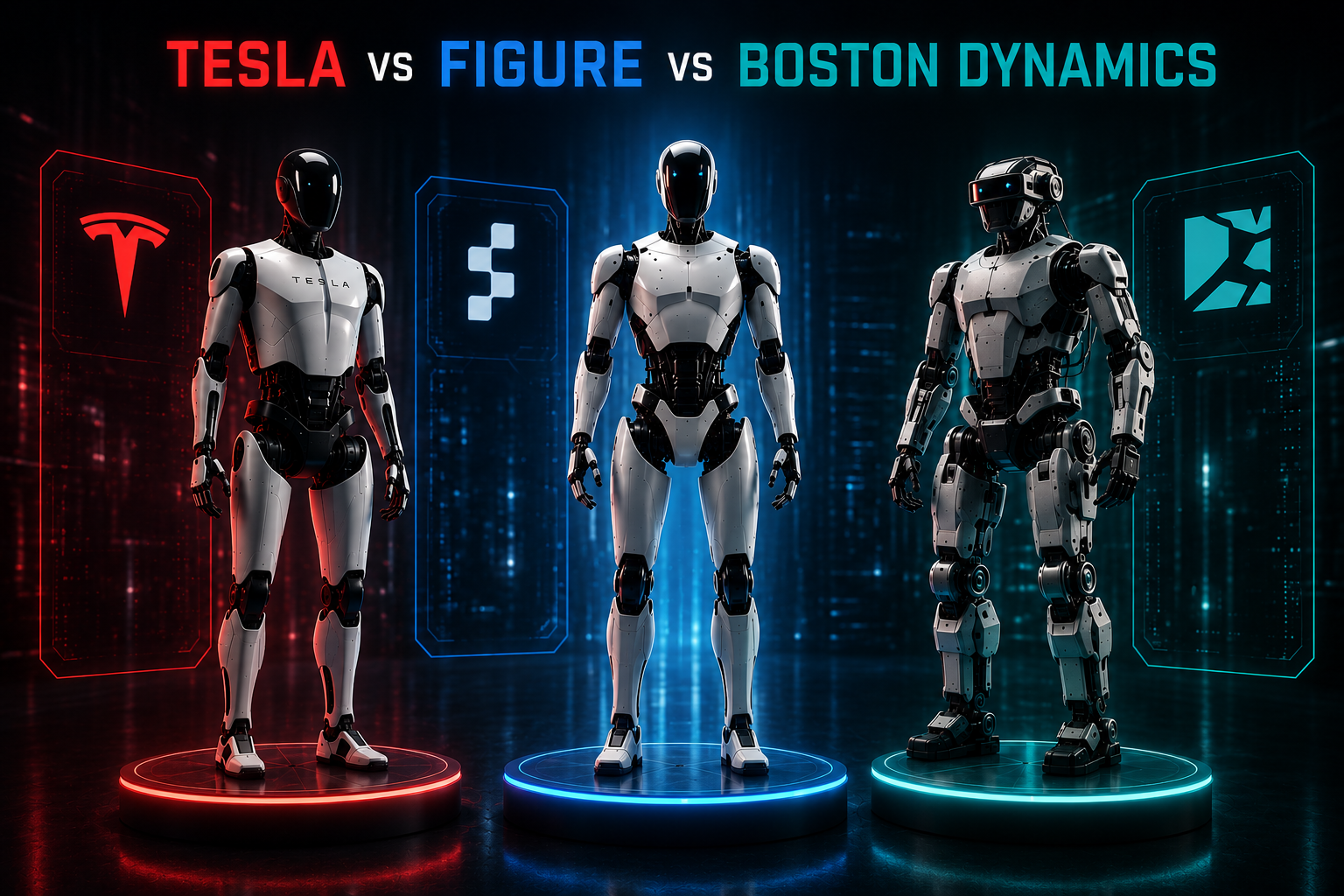
AIDOL vs Tesla Optimus and Figure 03
AIDOL competes in the same humanoid robot category as Tesla Optimus and Figure 03, but trails both on capability and deployment. Industry analysts have positioned AIDOL as a national-pride statement rather than a competitive commercial product.
Lance Ulanoff of Tech Radar told Fox Business after the Moscow debut: “The Russian robot could barely walk and wave its hand. This made Russia look like it’s very far behind, not only in the robot race but in the generative AI one, as well.”
Tesla Optimus targets a consumer price of $20,000 to $30,000 versus AIDOL’s $60,000. Figure 03 has confirmed commercial deployments at BMW Group Plant Spartanburg and Catalyst Brands. The complete Tesla Optimus Gen 3 breakdown sits in the Robot of the Week episode.
The Verdict on AIDOL
AIDOL is a real product from a real company with real specifications, but the company’s claims have outpaced verifiable deployment results. The Moscow face-plant was a hardware moment. The Japan contract is a credibility moment that remains unresolved.
The face-plant exposed measurable gaps in balance, motion control, and calibration under stage lighting. The five-month gap to the Japan announcement is short for humanoid recovery cycles. The right benchmark is independent verification, and the right pressure test is counting actual AIDOL units shipped to Japan by April 2027.
Frequently Asked Questions
What is AIDOL robot?
AIDOL is Russia’s first AI-powered humanoid robot, developed by Moscow-based company Idol with a 14-engineer team led by CEO Vladimir Vitukhin. The robot is designed for autonomous movement, object manipulation, and human-like communication.
Why did the Russian robot fall?
CEO Vladimir Vitukhin attributed the AIDOL fall to calibration errors in balance and motion control algorithms, combined with stage lighting issues. The fall happened at the Yarovit Hall Congress Center in Moscow on November 11, 2025.
How much does AIDOL cost?
The AIDOL robot is listed at $60,000 per unit, per the humanoid.guide directory.
What are AIDOL specifications?
AIDOL runs on a 48-volt battery with up to six hours of operation, carries a 10 kg payload, reaches 6 km/h, and has 12 designed facial expressions.
Did AIDOL recover from the Moscow face-plant?
Idol announced a humanoid supply contract with Japan on April 16, 2026, per TAdviser. The contract has not been independently confirmed by Western press.
Key Takeaways
AIDOL is the most public test case for Russian humanoid robotics in 2026. The Moscow face-plant exposed real engineering gaps. The Japan contract announcement remains unverified.
- The robot: Russia’s first AI-powered humanoid, built by 14-engineer Moscow company Idol
- The specs: 48V battery, 6-hour runtime, 10 kg payload, 6 km/h top speed, 12 expressions, 77 percent domestic components, $60,000 listed price
- The face-plant: November 11, 2025 at Yarovit Hall Congress Center, Moscow, attributed to calibration and lighting issues
- The recovery claim: April 16, 2026 Japan supply contract reported by TAdviser, not independently confirmed
- The pressure test: independent verification and actual unit shipments by April 2027
This post provides informational coverage of the AIDOL humanoid robot. The content is not investment advice.