SpaceX prices its initial public offering at $135 per share and begins trading on Nasdaq on Friday, June 12, 2026, under the ticker SPCX. The $75 billion offering targets a $1.77 trillion valuation, the largest market debut in history. Retail investors gain access through Fidelity, Robinhood, SoFi, Charles Schwab, and E*TRADE, with up to 30 percent of shares allocated to individual buyers. The SpaceX prospectus names Tesla Optimus humanoid robots inside the Terafab semiconductor pipeline and the lunar factory deployment plan.
This post provides informational coverage of a public market event. The content is not investment advice and is not a recommendation to participate in any offering.
Lars Talbert breaks down the SpaceX IPO and its robotics implications in the video below.

When Is the SpaceX IPO?
The SpaceX IPO begins trading on Friday, June 12, 2026. Final pricing locks the night before. Shares list on the Nasdaq exchange under the ticker symbol SPCX.
The SpaceX S-1 prospectus was filed with the Securities and Exchange Commission ahead of the public roadshow. An amended filing confirmed the fixed share price. Reuters reported SpaceX told underwriters the price would not move.
What Is the SpaceX IPO Price?
SpaceX prices its IPO at $135 per share, raising $75 billion through the sale of 555.6 million Class A shares. Underwriters hold an option to purchase 83.33 million additional shares worth $11.2 billion. Goldman Sachs leads the offering, with Morgan Stanley, Bank of America, Citigroup, and JPMorgan Chase as co-leads and 18 additional banks in the syndicate.
SpaceX broke convention by locking $135 before the roadshow began, an unusual fixed-price structure with few precedents in major US offerings.
Is the $1.77 Trillion SpaceX Valuation Justified?
SpaceX targets a $1.77 trillion valuation at the $135 share price, ranking the company as the seventh-largest in the United States by market capitalization. The valuation sits above Tesla and more than triples Saudi Aramco’s 2019 record for the largest IPO.
SpaceX reported $18.67 billion in 2025 revenue and a $4.94 billion net loss, reversing a $791 million profit the prior year. The implied price-to-revenue multiple is 93.7 times trailing sales.
Independent valuations diverge sharply. Morningstar valued SpaceX at $780 billion, 55 percent below the offering price. Aswath Damodaran of NYU Stern valued the company at $1.22 to $1.3 trillion. The IPO price implies acceptance of the most optimistic valuation in the market.
How to Buy SpaceX IPO Shares as a Retail Investor
Retail investors can request SpaceX IPO shares through five participating brokers: Fidelity, Robinhood, SoFi, Charles Schwab, and E*TRADE. SpaceX reserved up to 30 percent of the offering for individual investors, far above the 5 to 10 percent allocation typical for major IPOs.
Broker access requirements vary by platform:
| Broker | Minimum Account Balance | Process |
| Fidelity | $2,000 | Indication of Interest via IPO portal |
| Robinhood | No minimum | IPO Access feature in app |
| SoFi | No minimum | SoFi IPO Center |
| Charles Schwab | $100,000 | Standard IPO process |
| E*TRADE | No portfolio minimum | IPO Investing questionnaire |
Allocation is not guaranteed. Demand has been reported as oversubscribed, and brokers may use lottery or pro rata distribution. Selling allocated shares within 15 calendar days triggers anti-flipping penalties, restricting future IPO access for 6 months to 1 year.
Do Tesla Shareholders Get Priority Access to the SpaceX IPO?
Long-term Tesla shareholders may qualify for a supplemental SpaceX allocation through E*TRADE, but the policy applies to a narrow group. Investors who have held TSLA for at least 10 years can submit an additional indication of interest through Morgan Stanley’s E*TRADE platform. Charles Schwab confirmed no special allocation for Tesla shareholders.
Tesla itself holds 18,990,195 SpaceX Class A shares, worth $2.56 billion at the IPO price. The SpaceX prospectus references collaboration with Tesla through commercial, licensing, and support agreements. Tesla’s evolution into a robotics-focused company is the deeper context behind this overlap.
What the SpaceX IPO Means for the Robotics Economy
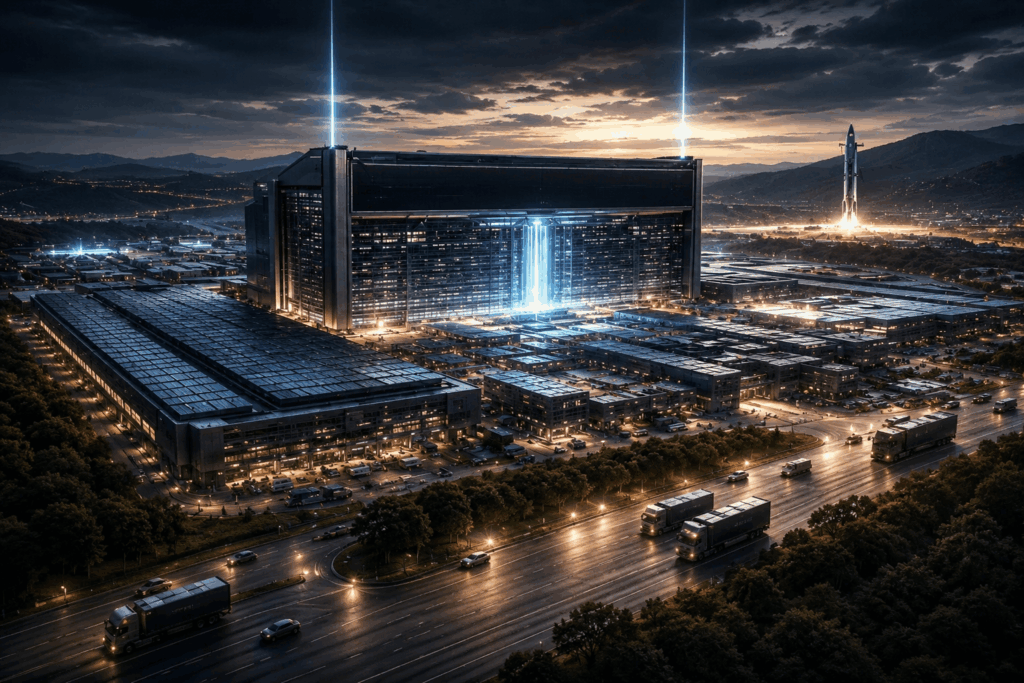
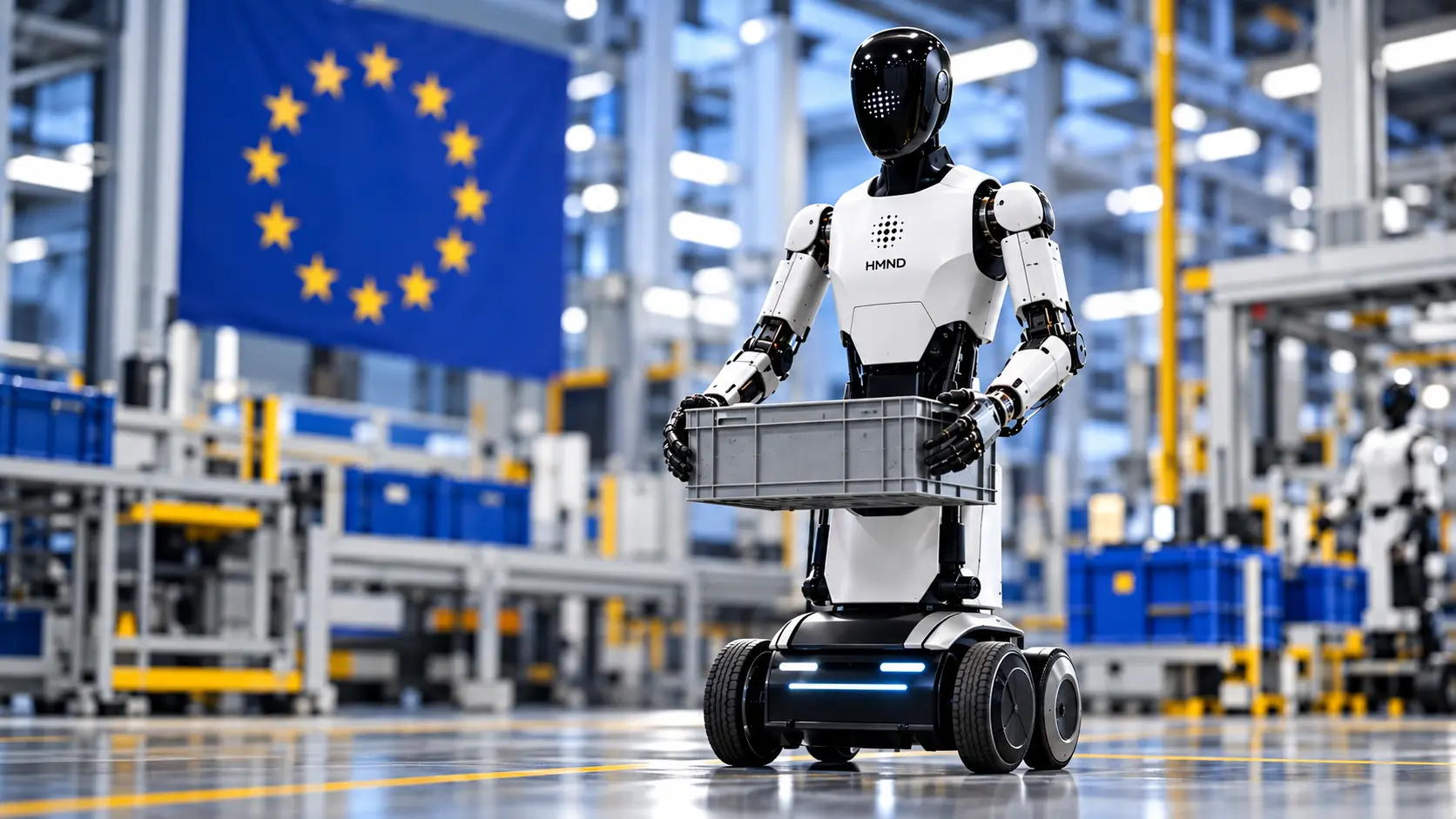
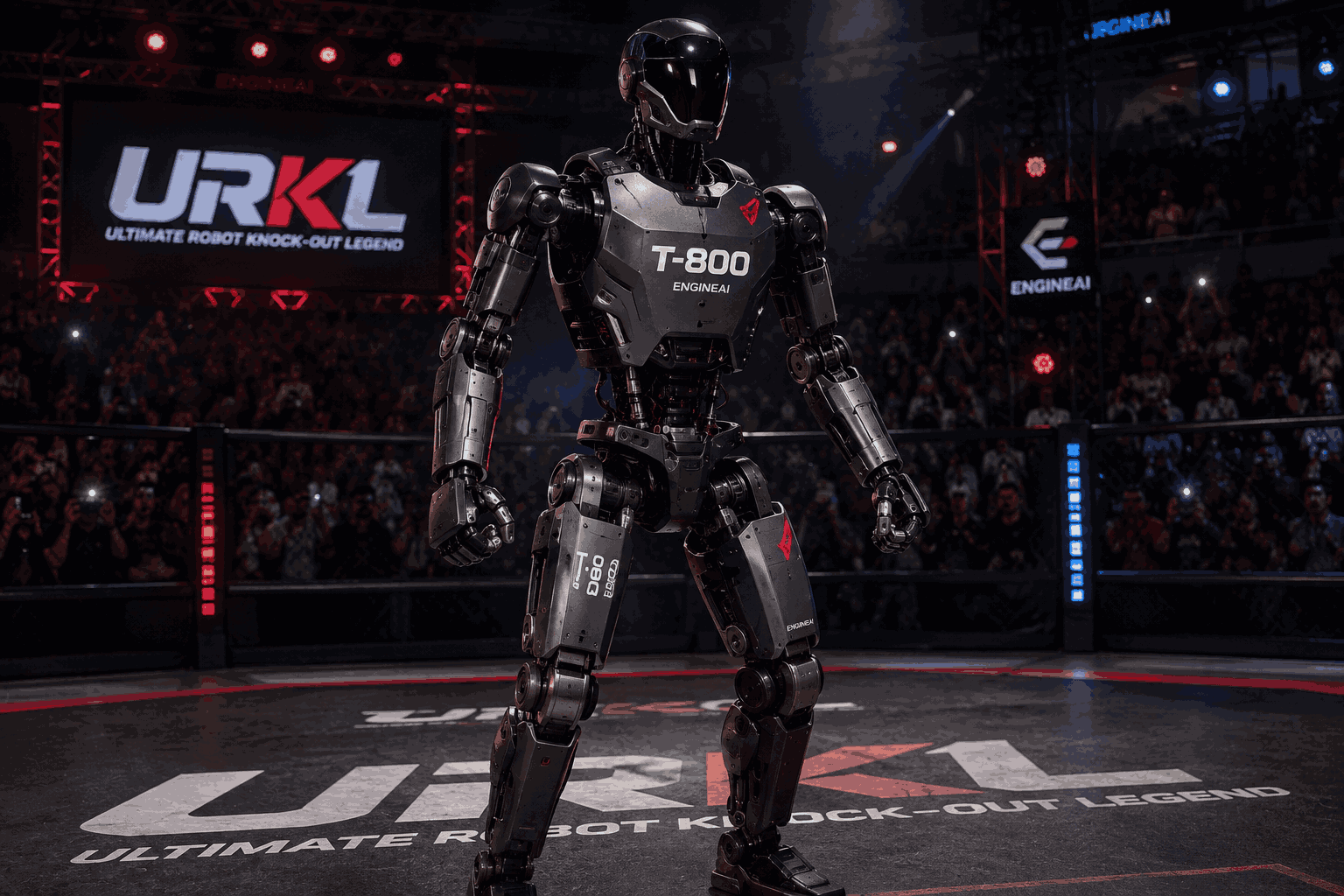
SpaceX’s prospectus names Tesla Optimus humanoid robots inside the Terafab semiconductor pipeline and the lunar factory deployment plan. The SpaceX filing is the first major IPO prospectus to name a humanoid robot as a deployment platform.
The Terafab Chip Pipeline
SpaceX and Tesla are partnering on Terafab, a semiconductor joint venture targeting edge-inference processors for Tesla Optimus and Tesla Robotaxis. Space-hardened variants of the same chip architecture are planned for SpaceX satellites and orbital data centers. The full stack runs from chip fab to humanoid hardware to orbital deployment.
Lunar Factories Operated by Optimus
The SpaceX long-term plan, disclosed in the IPO filing, includes lunar factories built and operated by Tesla Optimus units. The S-1 names Optimus as the robotic workforce for off-world deployment. How Optimus learns the tasks that would scale to lunar operations is the question the prospectus does not answer.
Orbital Data Centers and AI Workloads
IPO proceeds fund orbital data centers using Starlink bandwidth for AI and robotic workloads. The xAI merger inside SpaceX provides the intelligence layer. The Musk-controlled stack now spans chips, robots, connectivity, compute, and AI under one filing.
Risks of the SpaceX IPO Offering
Five structural factors warrant attention from retail investors reviewing the SpaceX offering: voting control, profitability, valuation divergence, post-IPO trading rules, and index inclusion timing.
- Voting structure: Elon Musk retains 82.4 percent voting control through Class B shares. Public shareholders hold limited governance influence.
- Profitability: SpaceX swung to a $4.94 billion net loss in 2025 from a $791 million profit in 2024. The 93.7x price-to-revenue multiple sits above industrial norms.
- Valuation divergence: Morningstar values the company at $780 billion. Damodaran values it at $1.22 to $1.3 trillion. The IPO price implies a $470 billion to $990 billion premium.
- Anti-flipping penalties: Retail brokers restrict early share sales for up to one year following an IPO flip.
- Index inclusion delay: S&P 500 entry requires one year of public trading. Nasdaq 100 allows 15 trading days.
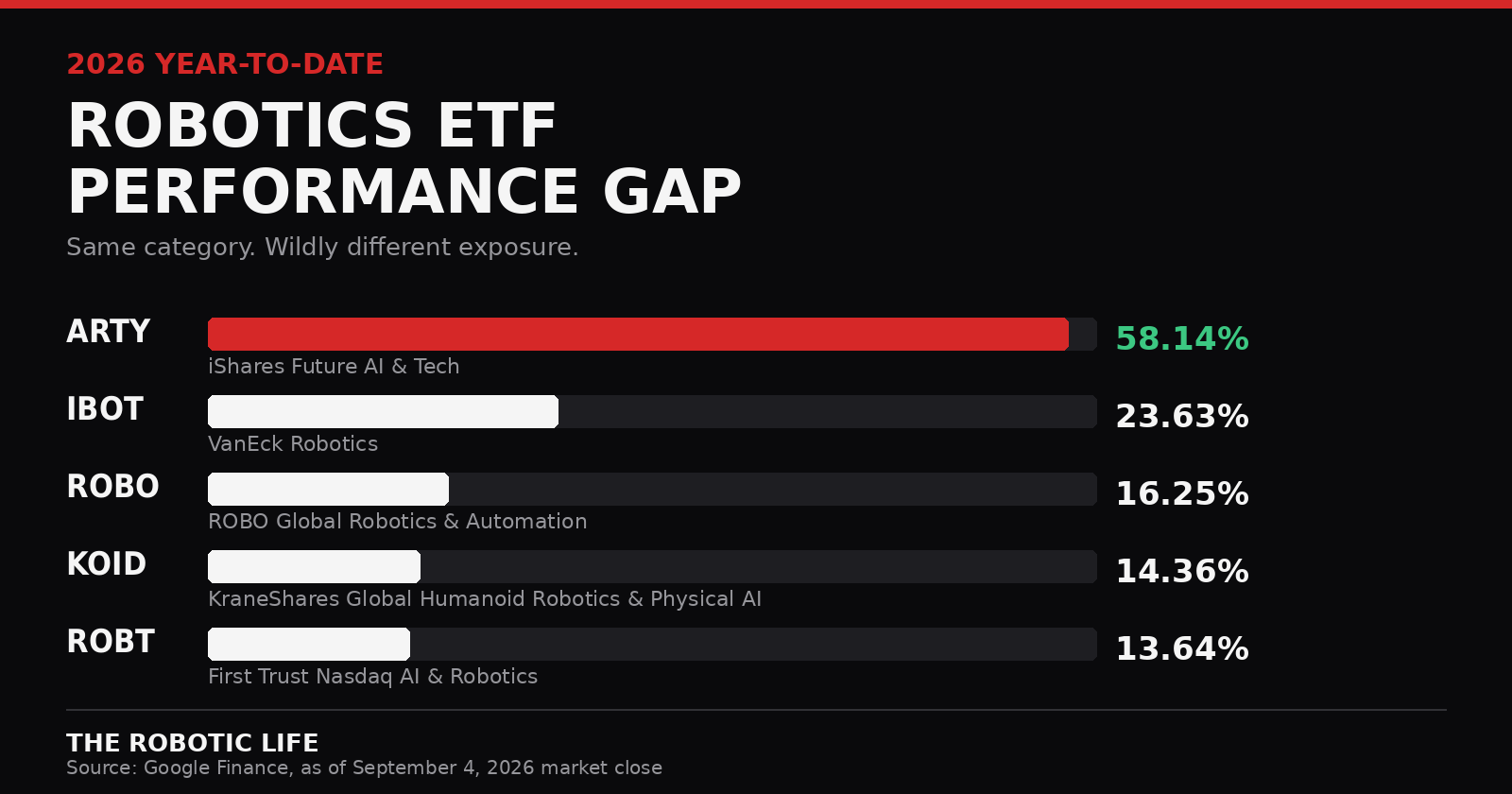
Retail investors seeking robotics-economy exposure beyond a single high-valuation IPO can review the best humanoid robot ETFs available in 2026.
Frequently Asked Questions
When is the SpaceX IPO?
SpaceX begins trading on Nasdaq Friday, June 12, 2026 under the ticker SPCX. Final pricing locks the night before trading opens.
What is the SpaceX IPO price?
SpaceX set a fixed price of $135 per share, raising approximately $75 billion through 555.6 million Class A shares.
Can retail investors buy the SpaceX IPO?
Up to 30 percent of the offering is reserved for retail investors through Fidelity, Robinhood, SoFi, Charles Schwab, and E*TRADE.
Will Tesla shareholders get SpaceX stock?
Tesla shareholders who have held TSLA for 10 years or more may qualify for a supplemental SpaceX allocation through E*TRADE. Schwab confirmed no special allocation.
Key Takeaways
The SpaceX IPO on June 12, 2026 is the largest market debut in history and the first major prospectus to name a humanoid robot as a deployment platform.
Five points define the offering:
- IPO date: Friday, June 12, 2026 on Nasdaq under ticker SPCX
- IPO price: $135 per share, $75 billion raise, $1.77 trillion valuation
- Retail access: Up to 30 percent of shares via five participating brokers
- Tesla shareholder access: Supplemental allocation through E*TRADE for 10-year-plus TSLA holders
- Robotics signal: SpaceX S-1 names Tesla Optimus inside Terafab and lunar factory plans
Robotics investors tracking the convergence of AI, satellite connectivity, semiconductors, and humanoid hardware can follow the sector through our Robotics Investing page. This post is informational coverage and not investment advice.